
The journey of WildStar, this ambitious MMORPG created by Carbine Studios, is one that continues to haunt the industry. Timothy Cain, who is well known to be the creator of Fallout, was one of the pillars of the development team. In a candid chat with PC Gamer, Cain pointed out some of the challenges that WildStar faced in its development. It showed that no matter how awesome your team looks like, it is sometimes difficult to aim right.
Cain dedicated six years of his career to WildStar. He stated that it was two times as long as he has ever spent on any project, even Fallout. For three years, he operated as programming director and after that, he became design director for three years. Despite his departure before the game’s release in 2014, Cain’s insight presents a valuable lens into the MMO’s development journey.
WildStar’s development
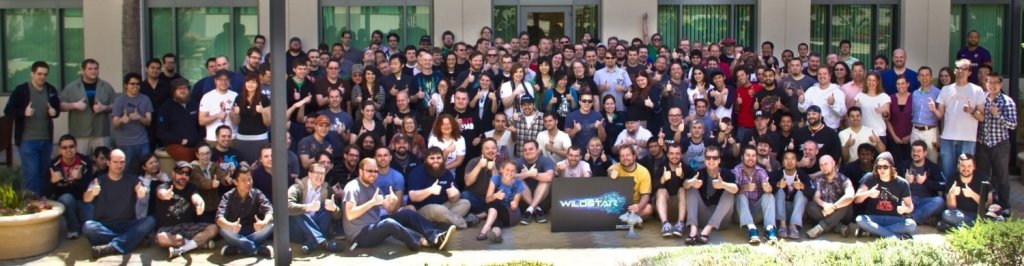
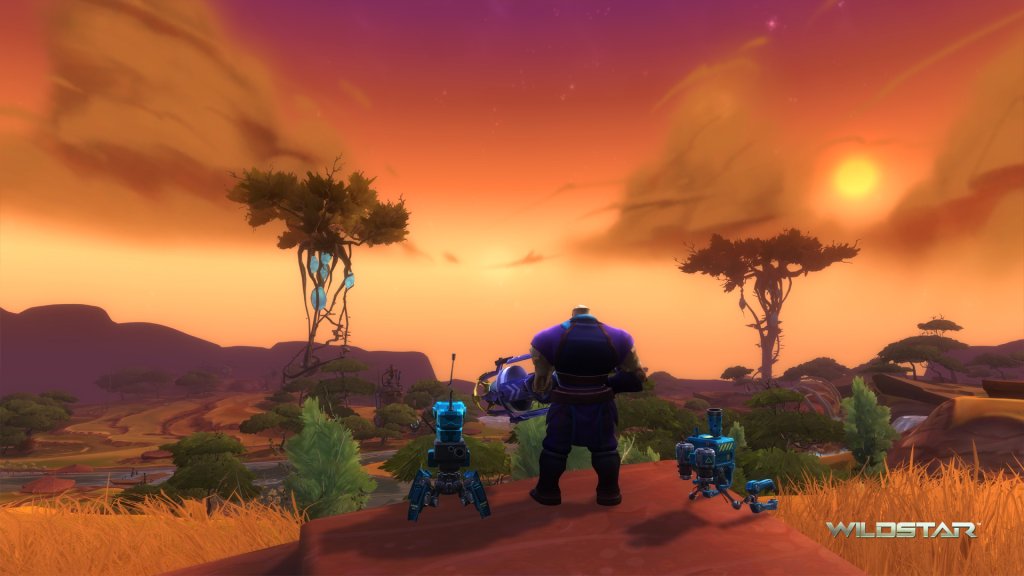
When Cain joined Carbine Studios, he discovered a little crew of talented devs, mostly World of Warcraft veterans. According to him, the team had immense potential. As he looks back, Cain claims “We could have done it, I can say that”. WildStar’s vision was bold. The game used vibrant sci-fi aesthetics, dynamic action combat systems, expansive player housing and (maybe too) challenging raids. This game’s vibrant world and wacky humor set it apart from others in the MMO space, offering something a bit different.
However, WildStar’s development began in 2005, it took nine years to see it releasing. According to Cain, this was one of the problems that ultimately led to the title’s failure. In this time span, MMORPGs had shifted: “What people wanted had changed. Other competitors had come out and showed what you could do. You can make a target and build towards it, but if you take so long, that target’s gonna move.”
WildStar’s long development certainly saw the MMO landscape changed. At the start of the project, World of Warcraft was still in Vanilla. When WildStar released, WoW was about to receive its Warlords of Draenor expansion. Additionally, other MMORPGs have emerged like Guild Wars 2 and Star Wars: The Old Republic, or were releasing in the same time period like The Elder Scrolls Online, and Final Fantasy XIV: A Realm Reborn. Each of which has redefined players’ expectations in various ways.
Delays
Cain’s memories indicate that lots of deviation happened during development: “That was kind of the style of the designers, they wanted to test a lot of things. And it seemed like we had an endless runway. But we didn’t,” he explained. This approach, while encouraging creativity, also resulted in delays. Cain recalled telling his superiors that the game wouldn’t be ready “for at least another year or two”. In the end, it took three more years than what was initially planned.
These delays put WildStar behind all the aforementioned competitors. While it isn’t unusual for delays to happen, especially with MMOs, Cain’s account shows the danger of taking too long. When WildStar launched, some of its features, like the attunement requirements or the single difficulty settings for its raids, felt outdated and failed to connect with most of the audience.
In addition, the competition WildStar was up against when it came out was pretty tough. The MMO market has not just grown up, it has also become quite narrow, with people gravitating around a few dominant titles. By 2014, apart from WoW, other games like The Elder Scrolls Online and Guild Wars 2 boasted polished experiences and established communities. Cain referred to it as « cannibalism », making it difficult for newcomers to establish themselves.
The game’s decline
The unique selling points of WildStar, namely its hardcore raiding endgame and its unmatched housing system, didn’t keep players engaged for long. Although the game was impressive and fun to play, this mismatch between the game’s design and players’ expectations, combined with the subscription-based monetization model, led to a heavy drop in the player population soon after release.
Cain’s thoughts mix pride with regret while reflecting on WildStar. He never touched the finished game despite his significant contribution, as he was too busy with South Park: The Stick of Truth at the time of WildStar’s launch. He watched the reception from afar with a degree of hope and concern. Initial excitement for the games was soon followed by criticisms, leading to the end we know in 2018.
What do we learn from WildStar?
The story of WildStar carries a cautionary message for developers. It shows what happens when development phase become too long. While it’s important to have an ambitious mindset, it’s also crucial to be adaptable and efficient. As Cain’s memoir shows, even promising projects can fail if they don’t adjust to the realities of their target market.
Tim Cain’s reflections on WildStar provide interesting insights into the challenges of game development. In his assessment, he shows that timing make a lot in the MMO genre. While WildStar left an impression with its ambitious ideas, its history shows that success in the games industry isn’t just about good ideas and talented teams. Tim regularly reflects on his gamedesign career on his YouTube channel, where he pulls back the curtain of the industry with frank honesty.