
As we well know here, MMORPGs are no strangers to heated debates. However, few are as cleaving as the discussions surrounding addons. Over the years, these third-party tools developed by committed players have become a key part of some MMO’s culture. Addons, whether they allow players to customize their UI or assist them to handle complex encounters, are as convenient for players as they are difficult for developers to work around. According to Ion Hazzikostas – World of Warcraft’s game director – in a recent interview with PC Gamer, their evolution has opened up a contentious chicken-and-egg situation that questions the balance between player agency and gamedesign.
Addons in WoW
When WoW was launched in 2004, its base interface was minimalist, reflecting the standards of the time. From expansion to expansion the game evolved, as have its challenges ; in contrast to its base UI, which remained relatively unchanged (the developers relying on the modding community in this area). The raid mechanics, in particular, became increasingly complicated. De facto, addons like Deadly Boss Mods and WeakAuras gained more and more popularity over time, to the point that mechanics that seemed overwhelming back then now come off trivial. These additions became important for many (if not most) players to implement alerts, timers, and visual guides.
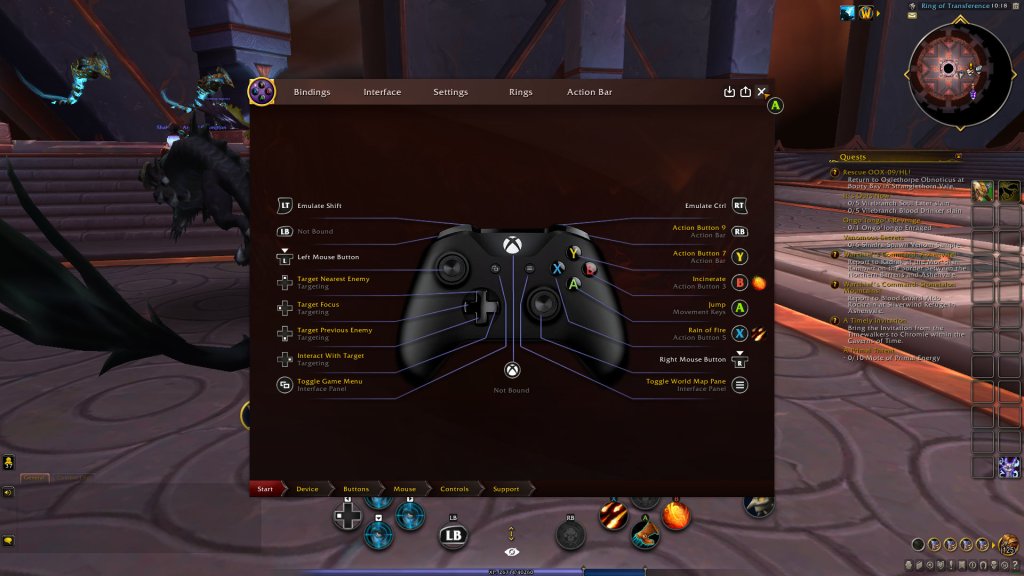
Using addons has advantages and disadvantages: on one hand, they let players tune their interactions with the game, which makes it more personal, and in some ways more accessible. Features such as customizable UI elements, color-blind modes and real-time performance metrics help players tailor the experience to their preferences and needs. Some people might find this flexibility to be a lifeline between an overwhelming atmosphere and an appealing one. On the other hand, since developers know the tools players have at disposal, they started designing encounters accordingly. As time went on, this became a paradigm of sorts, where such addons then became almost mandatory to be able to succeed at higher difficulties.
« That may make us add a new mechanic, which in turn can make the encounter feel complex or overwhelming for someone who isn’t using those add-ons. »
Ion Hazzikostas
The chicken-and-egg situation
As Hazzikostas said, these encounters are designed with the use of addons in mind, which creates a feedback loop that puts players who choose to not use addons – or just prefer the bare naked UI – at a disadvantage. At times, this design philosophy makes the “base game” of WoW feel lacking. New or returning players often invest hours researching, installing, and configuring addons before experiencing endgame content. The process of learning how to play through trying activities can feel overshadowed by preparing and optimizing things.
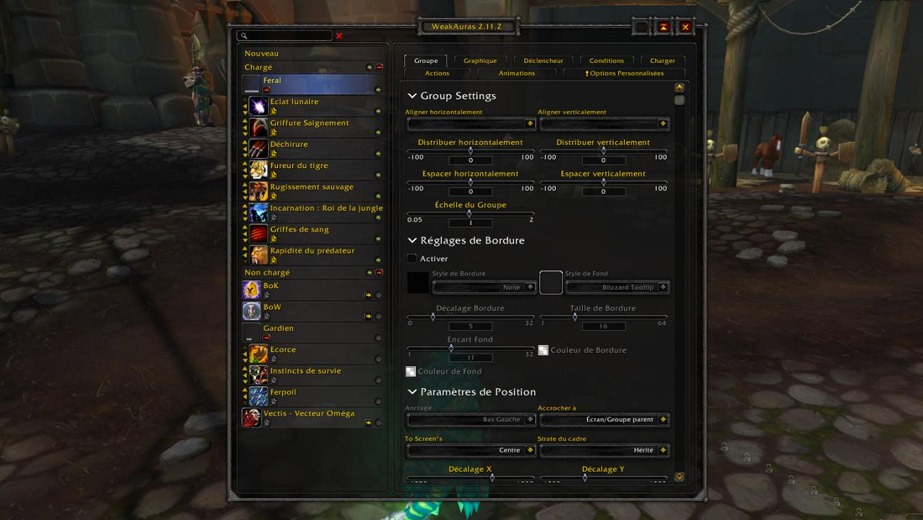
This reliance brings up essential issues regarding equity and accessibility, as it can worsen social divides in the community. Raid teams and guilds often demand certain addons, creating a culture whereby content can’t be clean without external tools. Unfortunately, players without addons would be considered a handicap in such competitive situations. While we understand that making sure an encounter is active and interesting enough is quite a challenge, depending too much on third-party tools (as testimonies seem to attest at the moment) can make some players feel left out.
« We can’t be ignorant to the fact that many of our players are using add-ons, and it will shape the feedback we get about how engaging an encounter feels, »
Ion Hazzikostas
According to Hazzikostas’ comments, Blizzard seems to be aware of the issues and is looking to amend them. In the next raid, the Liberation of Undermine, changes in how encounters are built and shown may lessen the need for addons. Improvements could revolve around “the environmental framing” of the fight.
« I think it’s an area where we likely will want to start clawing back some functionality, as long as we can make sure that our baseline game experience is offering players the information they need to have an engaging, elegant time. »
Ion Hazzikostas
Addons in MMORPGs
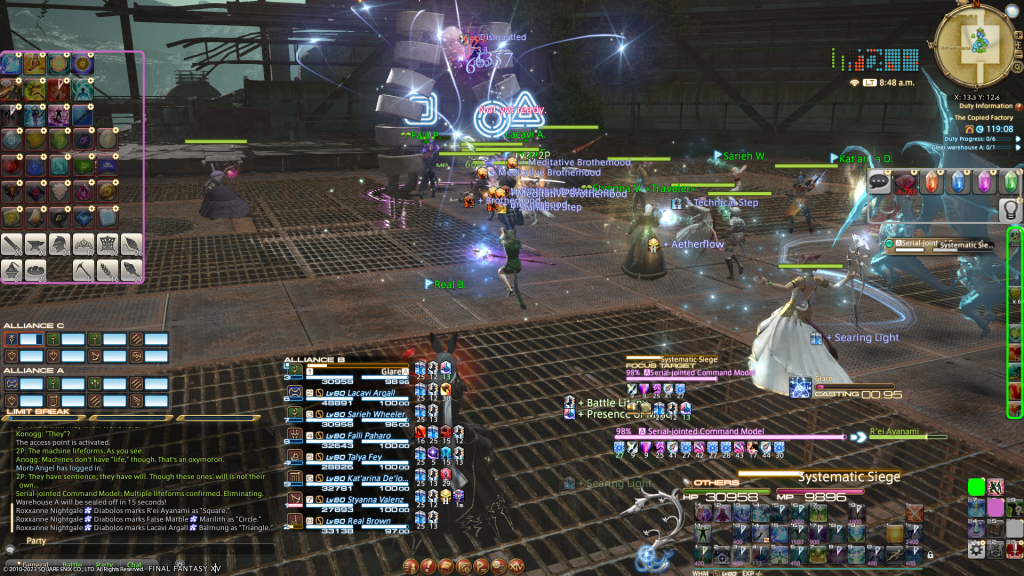
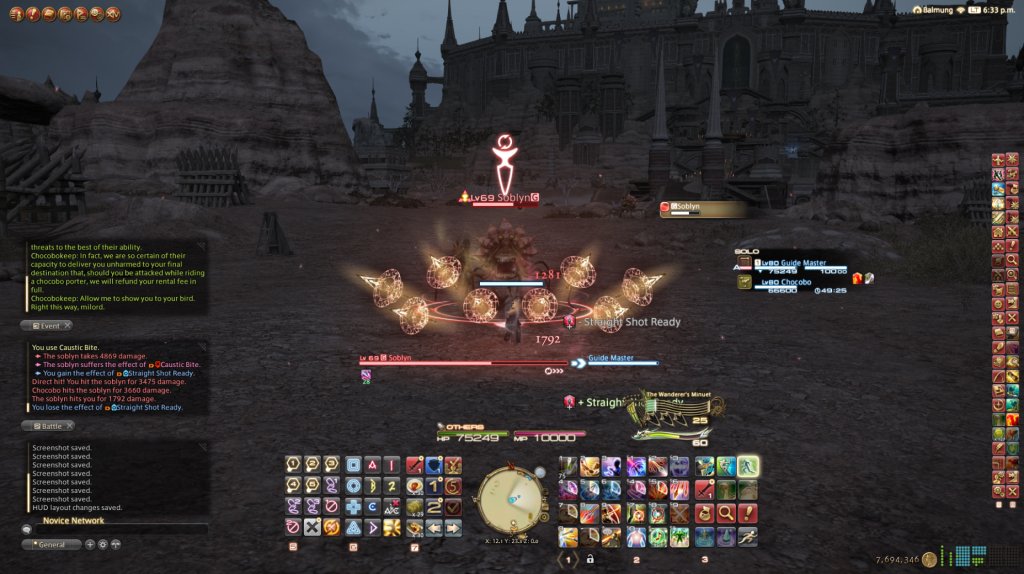
Other MMORPGs, such as Final Fantasy XIV, have been (way) harsher with third-party addons. With a better native interface and active prohibition of addons (though some are “tolerated”), Square Enix’s MMORPG ensures a more level playing field. This approach emphasizes mastery of mechanics rather than reliance on external tools, although it limits the degree of customization available to players.
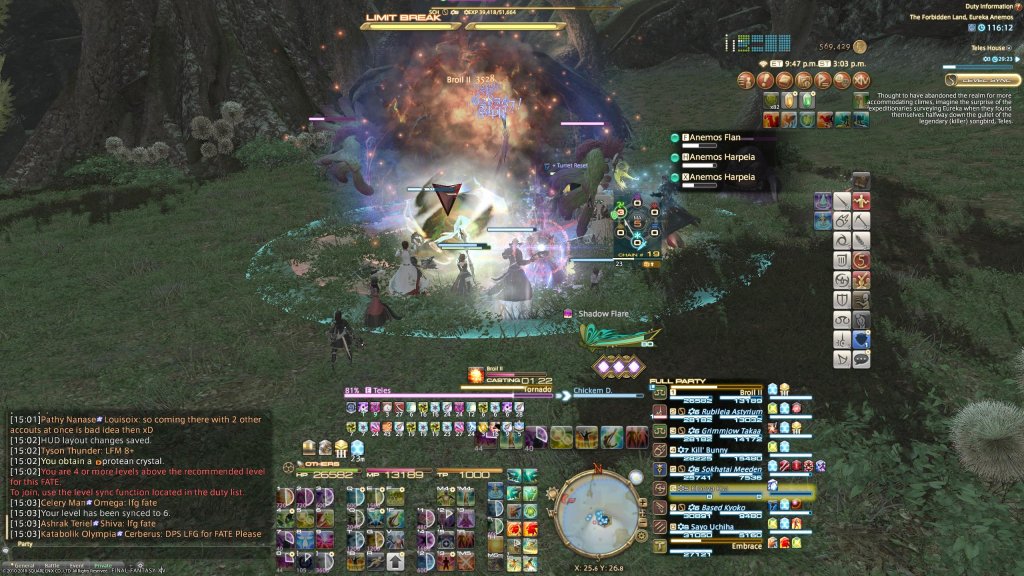
It appears that, discussions about addons are part of a larger conversation about the evolution of MMORPGs. As the genre matures, players’ expectations have become far more diverse. Some players want challenging content that requires a lot of skill and coordination. Others prefer relaxing and exploring. Developers have an ongoing struggle to meet the needs of both groups – and all those in between – and embedding addons don’t help in this regard.
Any stand out solution ?
Indeed, addons epitomize this dichotomy. While these reflect the ingenuity of the players and the collaborative spirit of community, this outside influence can have heavy consequences on an MMORPG’s gamedesign. In all cases, if they (legitimately) want to limit addons impact, developers might have to put more effort into building a comprehensive and flexible graphical interface.
Obviously, whether addons are a blessing, a curse, or something in between, will remain up to each and every one of us. However, the intermediate solutions objectively seem to come out on top of this topic. In fact, by offering a customizable enough UI and officially prohibiting addons while still “closing an eye” on some uses, Square Enix’s approach allows them to keep perfect control over the impact of third-party tools while still preventing any excesses.