
For more than two decades, World of Warcraft has happily accommodated the ever-shifting ways in which online games generate revenue. The title that long embodied the subscription MMORPG model now resembles a marketplace where (too) many categories of digital goods exist alongside that monthly fee.
Hearthsteel is described by Blizzard as a new virtual currency that players will purchase with real money through their Battle.net balance. It will unlock decorative items for the new Housing system, which is one of Midnight’s headline features. Blizzard frames Hearthsteel as a tool for simplicity and clarity. The company insists that most housing items will remain earnable by playing the game. The reference point they choose is the mounts. World of Warcraft hosts a vast library of over a thousand mounts that come from in-game activities while only a few dozen appear in the shop. Blizzard presents this ratio as an affirmation that cosmetic rarity and thematic identity will continue to arise from gameplay.
Elaborate Effects, Extra Cost
But this framing hardly builds a reassuring picture for me. Even if the shop avoids featuring things as blatant as recolors from existing in-game mounts, many paid mounts still share the same skeletons and animations as their earnable counterparts. Except that the shop version tends to carry more elaborate effects, a more refined silhouette, and overall just a better polished skin. We end up in a situation where the superior execution of a model lives behind a price tag while its simpler cousin appears as the reward for time spent in the world. That’s not really what I’m hoping to see in the Housing.
By the way…
A ‘Deliberate’ Obfuscation of Real Costs
Hearthsteel will be “obtain[able in] an amount that makes sense for the purchases you want to make”. The company says that “using an in-game currency can help make the process of obtaining many of these types of inexpensive items more efficient” because “dealing in transactions involving real money […] can be an inefficient, inconvenient, and often tedious process when a player wants to purchase multiple items” and that “a more deliberate and cautious process needs to be implemented to provide appropriate financial protections for both parties.”
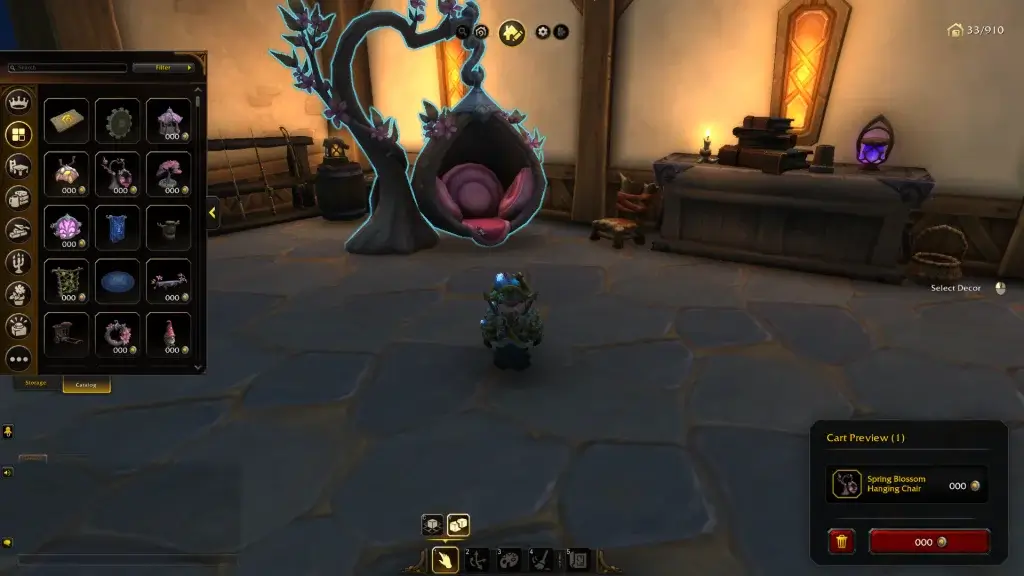
What would be “deliberate and cautious” would rather be to not add any new microtransactions. Since that appears to be too much to ask, an alternative would be allowing direct purchases in euros or dollars without predetermined amounts. This would eliminate the need of going through another virtual currency whose sole purpose is to obscure the real price. This type of premium currency encourages users to spend more than they initially intended. The only truly useful precaution is to add a security step to avoid a direct link to the player’s credit card. The Battle.net Balance already fulfilled this function perfectly. There’s no need to add another currency that only creates confusion and prevents the player from understanding how much they’re actually spending.
Selling Virtual Air
Everything we’ve mentioned so far is disappointing, but ultimately… these are already well-known elements over the industry. What upsets me most is their decision to sell individual copies of decors. And when you look at the wording in their bluepost, they never use the word skin. They only speak about items. That really makes me think there won’t be any proper appearance-unlock system, you’d have to earn the physical item each time. Want four chairs? Well, then you’ll have to loot, craft, or obviously buy that same chair four separate times. Convenient, isn’t it.
That’s how I understand it right now. In my opinion, what makes housing interesting isn’t the grind, it’s the freedom to personalize. That part is subjective, sure, but what seems far less debatable is that this design choice looks completely driven by monetization. It’s a classic case of gamedesign being bent to sell more.
A Storefront with Quests Attached
In the end, Hearthsteel is one more layer added to an MMO already weighed down by monetization – extensions, subscriptions, bundles, mounts, services, headstarts, tokens, and now another premium currency. Blizzard never misses a chance to reach into players’ wallets, and we’ve seen the pattern for years. The shop items are often the finest, the most polished, the ones with the best effects. Add to that the WoW Token, which can be flipped into gold and then funneled into mercenary services that grant access to achievements or gear. And let’s not forget the Trader’s Tender, originally pitched as a currency you could never buy, only to quietly find its way into paid bundles.
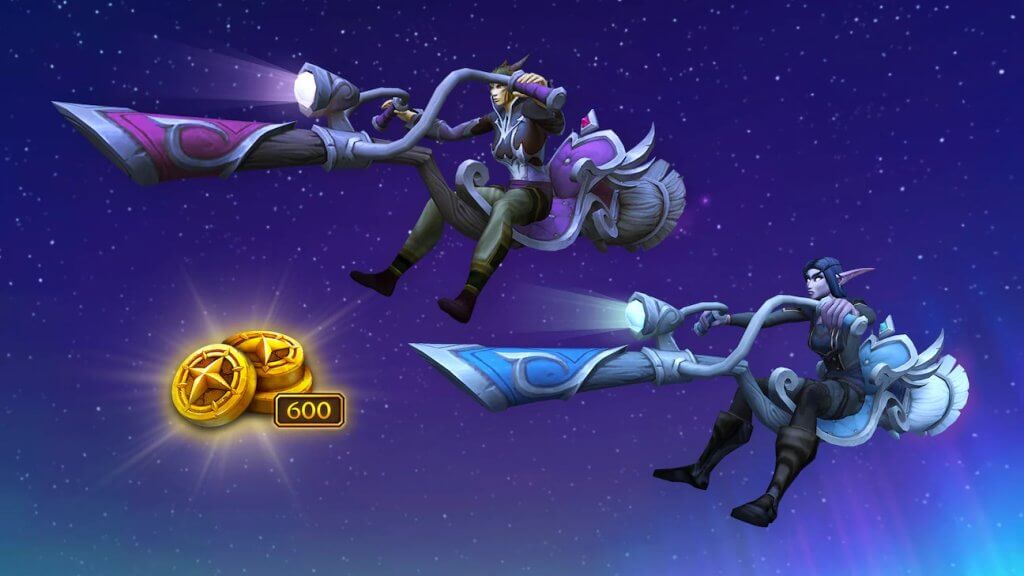
Together, these systems form a labyrinth of monetization that increasingly nibbles away at reward structures. When the best-looking items or the easiest path into high-end content can be purchased the immersion suffers. The world feels less like a place to lose yourself in. Hearthsteel pushes this even further. The game doesn’t need another currency nor another nudge toward spending. Once again, the only thing Blizzard seems “deliberate and cautious” about is increasing its revenue streams.