
While some time ago, we were talking about storytelling and the different types of stories we encounter in MMORPGs, today I’d like to take a look at how these stories are implemented in fact.
In MMORPGs, objectives are more than a rail guiding the player’s experience. Gamedesigners use them to immerse the player in the universe, make his character progress, induce inter-players intrigues, create cooperation or conflict, in short: breathe life into the universe. Being aware of their nuances helps us understand design philosophies behind MMOs.
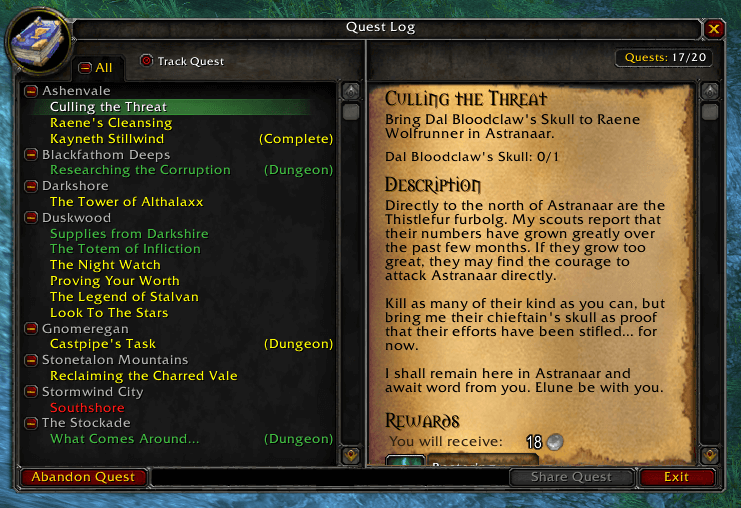
Objectives are not (or at least should not be) mechanical instructions to follow, but are rather engagement tools that allow players to take part instead of consuming. The most recognizable form of these objectives is the traditional quest structure. In it, players are offered clear paths that interweave story and character development.
Quests
Quests typically come in two main forms: linear and branching scenarios. Linear quests guide players through a straightforward path. On the other hand, branching scenarios allow players to make active choices that affect how the world continues. This design philosophy endorses the autonomy of players, but still retains a structure.
Dynamic events
Beyond structured quests, modern MMORPGs increasingly incorporate dynamic events that transform the relationship between the player and the world. Events provide players with organic scenarios. They are meant to make the world more alive by popping spontaneously, thus bringing unpredictability. With this kind of objectives, players’ actions often help a common goal.
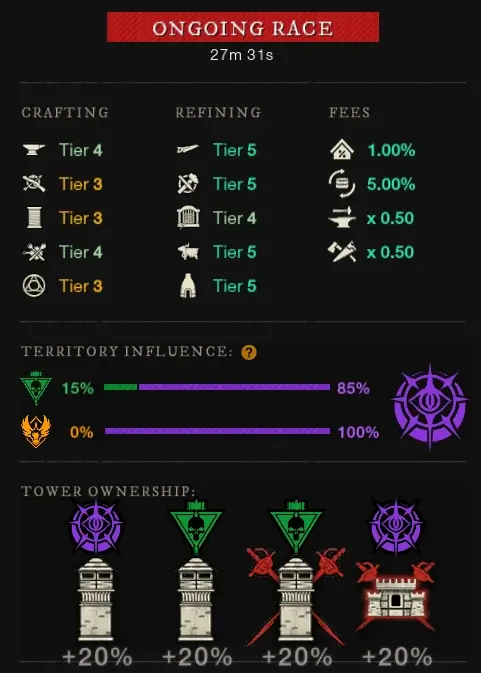
A few examples would be systems like monster invasions, environmental changes, faction wars, and so on that happen regardless of what the player’s doing. Such events require a collective response, fostering engagement in the community.
Making going up numbers
You might not think about it at first, but progression systems represent another objective’s design element. Between other things, players can have their characters leveled up as well as got skill trees and equipment upgrade paths. In the process of getting each of these “rewards”, the player is naturally incentivized to go through the game’s activities. Each progression step being calibrated to provide a sense of personal accomplishment, and ultimately designed to entice engagement toward other aspects of the game discovered along the journey.
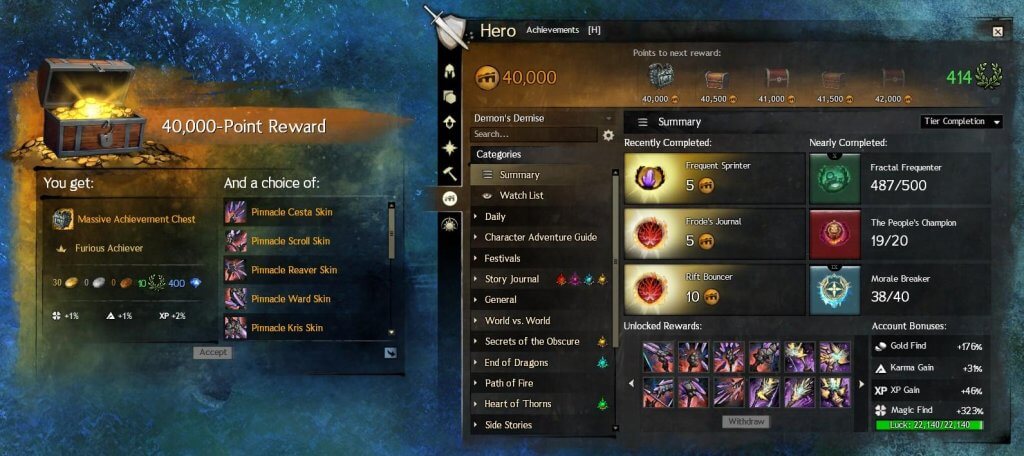
(From reddit)
Similarly, competitive objectives such as leaderboards introduce another layer of complexity, creating a framework that test individual or collective skills. The aims in this include guild vs. guild, arena rating, first instance clean, battleground tournament etc… giving players a chance to show off their skill. This kind of context is propitious to the development of friendships and rivalries between players or groups of players, which is another way of getting them involved.
Rewarding curiosity
By rewarding investigation, exploration objectives represent a nuanced approach to player engagement. This encourages players to go, so to say, off script. Seeking out for hidden places, solving puzzles, and piecing together narrative bits that expand the game’s lore.
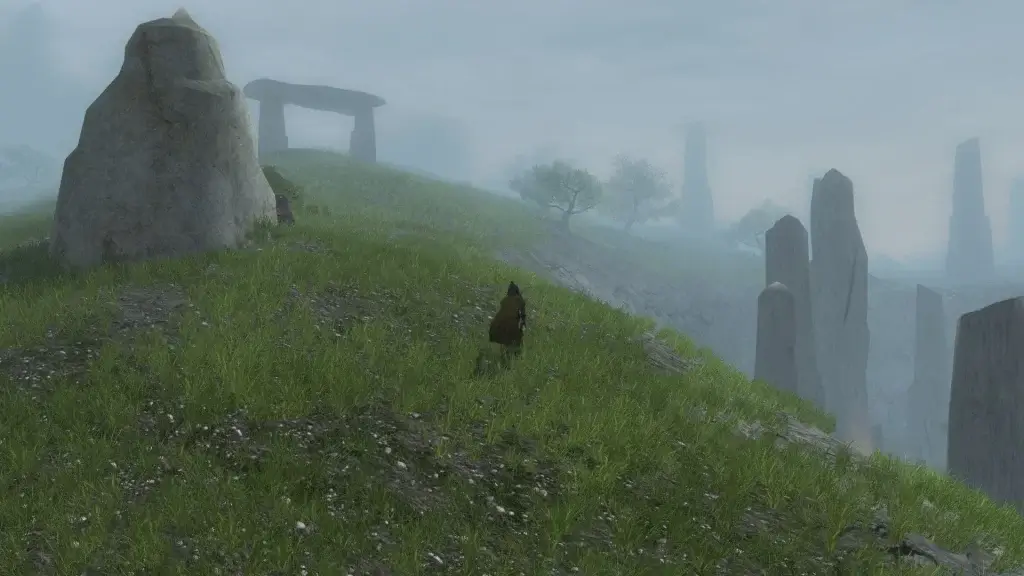
(From reddit)
Exploration mechanics are a solid way to make the universe feels more meaningful. Many players aren’t only motivated by tangible rewards (suck as XP and loots) or social acknowledgement (such as high-ranking and prestigious titles). These kinds of objectives, like discovering secrets and understanding deeper narrative implications, are particularly appealing to lore-driven players. Having them allows the game to cater to various profiles of players.
Market dynamics
Crafting and economic objectives provide comprehensive engagement opportunities to players who like strategic trading. So it creates a complete meta-game in the MMORPG where doing economically well appears as another way to evolve.
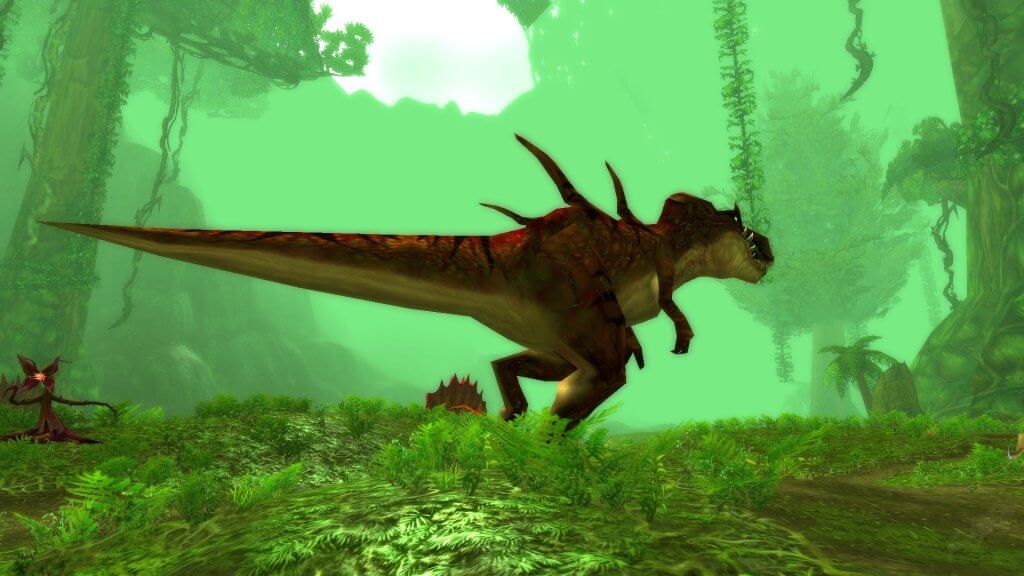
(More details about “the devilsaur mafia” here)
Such mechanics generally encompass capacity to handle the auction house, items monopoly and understanding of market dynamics ; ability to deny points of interest access (resources spot, world boss…) trough meaningful PvP ; opportunity to learn rare recipes, create unique gear or raise mount or pet with particular characteristics. These economic systems create intricate market interactions, with players establishing their own supply, demand and value based on others’ actions in the game.
The role of objectives
Objectives in MMORPGs are the implementation of storytelling within the world, whether through pre-scripted developer narratives or emergent player intrigues (facilitated by the game’s systems). These goals are an ecosystem from which gamedesigners can draw in order to create their envisioned universe. Every kind of objective comes with its own possibilities in terms of interaction – between the player, the game, and other players – enabling a tailored experience. By balancing these elements thoughtfully, developers can create engaging worlds that cater to diverse playstyles.